 blog
HGV Training Costs 2026: A Complete Guide
Table of Contents
- What Affects HGV Training Costs
- Class 1 vs Class 2 Training Costs
- How Long Does HGV Training Take
- HGV Training Grants 2026
- Breaking Down Your Total HGV Training Investment
- Common Mistakes That Cost Extra Money
- Is HGV Training Worth the Cost
- Frequently Asked Questions
Last Updated: September 28, 2026
What Affects HGV Training Costs
HGV training costs vary significantly depending on several key factors. Your final bill depends on which licence category you're pursuing, the training provider you choose, whether you need additional qualifications, and your current experience level.
The biggest cost drivers are straightforward. First, there's the licence category itself. A Class 2 (formerly Class C) licence costs less than a Class 1 (formerly Class C+E) because Class 1 training is longer and more complex. Second, you'll pay differently depending on whether you need the full training package or just theory and practical test fees. Third, some people need extra modules like hazardous materials or driver CPC qualification, which add to your total spend.
Location matters too. Training providers in different regions charge different rates. Your existing driving experience also influences costs, if you already hold a car licence, you'll skip some foundational modules that others must pay for. Finally, the training provider's reputation and facilities affect pricing. Budget providers offer cheaper courses, but established training centres with better facilities and pass rates often charge more.
According to the Driver and Vehicle Standards Agency guidance on HGV licensing, you'll need to pass both theory and practical tests to qualify. This two-stage process is where most of your training investment goes.
Class 1 vs Class 2 Training Costs
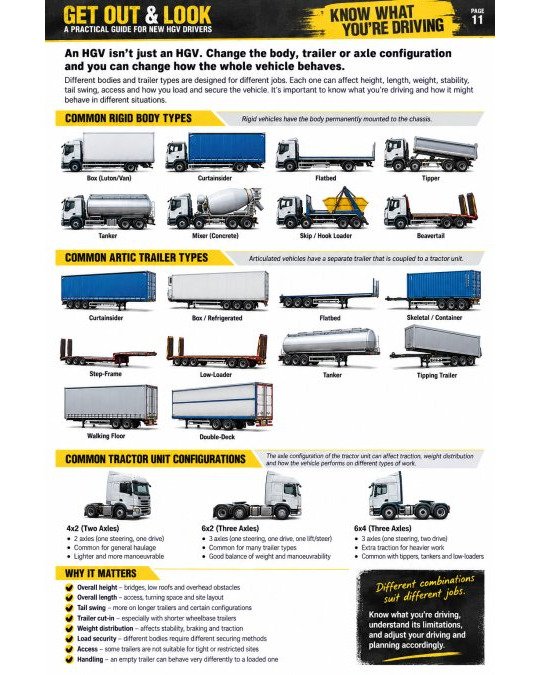
Class 1 training costs are higher than Class 2 because the qualification is more comprehensive and takes longer to complete. Class 1 allows you to drive articulated lorries (rigid lorries with trailers), whilst Class 2 covers rigid lorries only.
Class 2 training typically takes 4-6 weeks of full-time study. The course covers basic lorry operation, safety procedures, vehicle checks, and road awareness. Class 1 training usually takes 6-8 weeks because you're learning additional skills for handling articulated vehicles, which are longer, heavier, and more complex to manoeuvre.
The time difference directly affects cost. Longer courses mean more instructor hours, more classroom time, and more practical driving sessions. A Class 2 course generally costs less than a Class 1 course, though both require you to pass the same theory test (the content differs slightly by category).
Here's what influences the price gap between them:
- Instructor hours: Class 1 requires more one-to-one driving time
- Vehicle availability: Articulated lorries are more expensive to maintain and insure
- Practical test complexity: Class 1 practical tests take longer and cover more scenarios
- Module depth: Class 1 covers additional technical knowledge about trailer handling
Most career-changers choose Class 1 because it opens more job opportunities, even though it costs more upfront. Class 2 is better if you want to start driving sooner and upgrade later.
How Long Does HGV Training Take
HGV training typically spans 6-8 weeks for Class 1 and 4-6 weeks for Class 2 when studying full-time. This timeline covers theory study, practical driving lessons, and test preparation.
The actual duration depends on how quickly you progress through the modules and whether you pass your tests on the first attempt. Most people book their practical test after completing their course, which adds 2-4 weeks of waiting time depending on test centre availability.
Here's a realistic timeline breakdown:
- Week 1-2: Theory study and initial practical lessons
- Week 3-4: Intensive driving practice and mock tests
- Week 5-6: Final preparation and test booking
- Week 7-8: Practical test (Class 1 only)
If you fail your practical test, you'll need to book another attempt, which typically happens within 4-8 weeks. Most people pass on their second or third attempt, so budget for potential retakes.
Part-time training stretches this timeline to 12-16 weeks. You attend lessons 2-3 days per week whilst working or managing other commitments. This option costs the same as full-time but gives you more flexibility.
HGV Training Grants 2026
Funding support for HGV training exists, but availability varies by region and your personal circumstances. The government recognises the HGV driver shortage and offers some support, though it's not universal.
The main funding route is through your local authority's skills funding. If you're unemployed or claiming certain benefits, you may qualify for free or subsidised training through the National Skills Fund or local employment support programmes. You'll need to check with your local authority or a training provider to confirm eligibility.
Some employers offer training sponsorship if you commit to working for them after qualifying. This covers your course fees in exchange for a contractual period of employment. A few training providers also offer payment plans or discounts for group bookings.
Apprenticeships provide another route. The Apprenticeship Levy allows some employers to fund HGV training for apprentices. If you're under 19 or in your first year of an apprenticeship, the government co-funds your training.
Here's what to explore:
- Local authority schemes: Check your council's skills funding page
- Jobcentre support: Ask about training grants if you're job-seeking
- Employer sponsorship: Ask potential employers about funding
- Apprenticeship routes: Look for HGV driver apprenticeships in your area
- Training provider discounts: Some offer payment plans or reduced rates
Skills Funding Agency guidance on HGV training support provides details on regional schemes and eligibility criteria.
Get the Plant Industry Starter Guide →
Breaking Down Your Total HGV Training Investment
Your total HGV training investment includes course fees, test fees, medical examination, and learning materials. Each element adds to your overall cost.

Course fees are your largest expense. This covers all classroom instruction, practical driving lessons, and test preparation. The number of driving hours included varies by provider, budget providers include fewer hours, premium providers include more.
Test fees come next. You'll pay for your theory test and practical test separately. Theory tests are administered by the DVSA and cost the same regardless of provider. Practical tests are also DVSA-managed, and the fee is fixed nationally.
Medical examination is mandatory. The DVLA requires a medical report from your GP or an approved occupational health service. This confirms you're fit to drive an HGV. The cost varies depending on whether your GP charges for the examination.
Learning materials include study guides, hazard perception videos, and mock test access. Many training providers bundle these into their course fee, but some charge separately.
Here's a realistic breakdown of what you'll spend:
| Element | Cost Range | Notes |
|---|---|---|
| Course fees (Class 2) | Lower range | Includes instruction and driving hours |
| Course fees (Class 1) | Higher range | Longer duration, more complex training |
| Theory test fee | Fixed | Set by DVSA nationally |
| Practical test fee | Fixed | Set by DVSA nationally |
| Medical examination | Variable | Depends on GP or occupational health provider |
| Learning materials | Included or separate | Check what's bundled in your course |
Most people spend less if they pass their tests first time. If you need retakes, add the test fee for each additional attempt.
Common Mistakes That Cost Extra Money
The biggest mistake is choosing a training provider purely on price. The cheapest course often includes fewer driving hours, which means you'll have less practice before your practical test. This increases the chance of failing and needing a retake, which costs more than the original course fee.
Another costly error is not checking what's included in the quoted price. Some providers quote a low figure but don't include all driving hours, theory materials, or mock tests. You end up paying extra for each add-on. Always ask for a full breakdown before signing up.
Delaying your medical examination is another trap. If you book your test before getting your medical clearance, you'll lose your test fee if the examination reveals a health issue that temporarily disqualifies you. Get the medical done first.
Many people also underestimate the cost of retakes. If you fail your practical test, you'll pay the full test fee again plus potentially additional lessons to improve. Some providers charge extra for remedial training after a failed test.
Here's what to avoid:
- Choosing solely on price: Budget providers often cut corners on instruction quality
- Not reading the small print: Hidden costs appear after you've committed
- Skipping the medical check early: A failed medical after booking your test wastes money
- Insufficient practice before testing: Rushing increases failure rates
- Not asking about retake policies: Some providers charge for extra lessons after a failed test
The Plant Industry Starter Guide helps you understand these pitfalls before you spend money.
Is HGV Training Worth the Cost
HGV training costs are substantial, but the return on investment is significant for most people. HGV drivers earn competitive salaries and enjoy job security in a sector with persistent driver shortages.
Consider HGV training worth the cost if:
- You're comfortable with long hours and time away from home
- You want job security in a shortage-hit sector
- You're willing to commit to the full training programme
- You can afford the upfront investment
- You're physically and mentally suited to the work
Frequently Asked Questions
How much does HGV training cost in total for 2026?
HGV training costs vary significantly depending on the provider, training type, and whether you pursue Class 1 or Class 2. Factors including practical hours, theory test preparation, medical examination fees, and test application charges all contribute to your total investment. Contact training providers directly for current pricing, as costs change regularly and depend on your specific circumstances and location.
Are there government grants available for HGV training in 2026?
Several funding options exist for HGV training, including apprenticeships funded through the Apprenticeship Levy and local authority support schemes. Some employers offer training sponsorship or reimbursement. The Department for Education and Levelling Up schemes may provide support depending on your eligibility and circumstances. Research your local authority's skills and employment support programmes to identify available grants or subsidies for your situation.
What is the difference in cost between Class 1 and Class 2 training?
Class 2 training is typically less expensive than Class 1 because it involves fewer practical hours and covers smaller vehicles. Class 1 training requires more intensive instruction, additional modules, and longer practical sessions, reflecting the greater responsibility of driving articulated lorries. The cost difference depends on your chosen provider, but Class 2 generally represents a lower initial investment for those starting out in HGV driving.
How long does HGV training take from start to finish?
HGV training duration varies by provider and course intensity. Intensive courses can take 4-6 weeks, whilst part-time training may span several months. The timeline includes theory study, practical driving hours, medical examination scheduling, and test booking availability. Your prior experience and learning pace also affect completion time. Plan for at least 2-3 months from enrolment to passing your final test, accounting for test waiting times and any retake requirements.