 ultimate-guide
How to Start an HGV Career: A Complete 2026 Guide
Table of Contents
- What You Need to Know Before Starting an HGV Career
- HGV Medical Requirements and Eligibility Checks
- Is HGV Training Worth It? Understanding the Investment
- Step-by-Step: Getting Your HGV Licence
- HGV Driver CPC Training Explained
- HGV Driver Salary Expectations and Career Progression
- Finding Your First HGV Job and Building Experience
- Common Mistakes to Avoid When Starting Your HGV Career
- Frequently Asked Questions
Last Updated: September 18, 2026
What You Need to Know Before Starting an HGV Career
When you start an HGV career, you'll find genuine earning potential and job security, but the real question is whether you're suited to the work itself, not just the licence and salary.
Heavy goods vehicle driving means managing fatigue, tight schedules, difficult traffic, and long stretches away from home. The money is real, but it comes with significant trade-offs. This guide walks you through what you're getting into, the barriers to entry, and whether the investment makes sense for your situation.
You'll need medical clearance, formal training, and a category-appropriate licence. Before committing time and money, understand what's required, what it costs, and what happens after you pass your test.
HGV Medical Requirements and Eligibility Checks
You cannot legally drive an HGV without passing a medical examination, a formal assessment against DVLA (Driver and Vehicle Licensing Agency) standards.
The medical assesses eyesight (at least 6/7.5 vision in each eye, corrected if necessary), blood pressure, diabetes control, and cardiovascular fitness. Declare any serious health conditions, epilepsy, or relevant medications. Honesty is non-negotiable; lying on your medical form can result in licence loss and prosecution.
You'll also undergo an Enhanced Disclosure and Barring Service (DBS) check. Criminal convictions involving dishonesty or driving offences can block your application; minor penalties will be flagged.
The medical certificate lasts five years. You must renew it to keep your licence valid and inform the DVLA immediately of significant changes: new medications, health diagnoses, or convictions.
Is HGV Training Worth It? Understanding the Investment
HGV training costs money upfront with no guarantee of immediate work after passing. The question is whether it's worth it for you, right now, in your situation.
Training includes the theory test, practical driving lessons, and mandatory Driver CPC (Certificate of Professional Competence) modules. Total cost depends on your provider and whether you already hold a manual driving licence.
Pricing varies significantly; some providers offer payment plans, others require upfront payment. Ensure you can afford training without financial stress, as job hunting after your test may take weeks or months.
The investment makes sense if you're genuinely interested in the work, not just chasing salary figures. HGV driving demands focus, responsibility, and the ability to handle stress and isolation, traits that matter more than the money.
Step-by-Step: Getting Your HGV Licence
To start an HGV career, you'll follow several distinct steps, each with its own requirements and timelines.
Step 1: Pass your car driving test (if you don't already hold a licence). If you're already a full car driver, skip this. If not, you'll need to pass your theory and practical car test first. HGV training builds on the assumption you already understand road rules and basic vehicle control.
Step 2: Pass your HGV theory test. This covers road safety, vehicle handling, traffic law, and professional responsibilities. You'll answer multiple-choice questions and watch video scenarios. Most people pass this within a few weeks of focused study. The test costs around £115 and you can resit if you fail, though you'll pay the fee again.
Step 3: Complete practical HGV training. This is where you learn to actually drive the vehicle. Training typically involves 10-20 hours of professional instruction, depending on your natural aptitude and the trainer's assessment. You'll practice reversing (notoriously difficult in a large vehicle), coupling and uncoupling trailers if you're going for C+E, and managing the vehicle in real traffic.
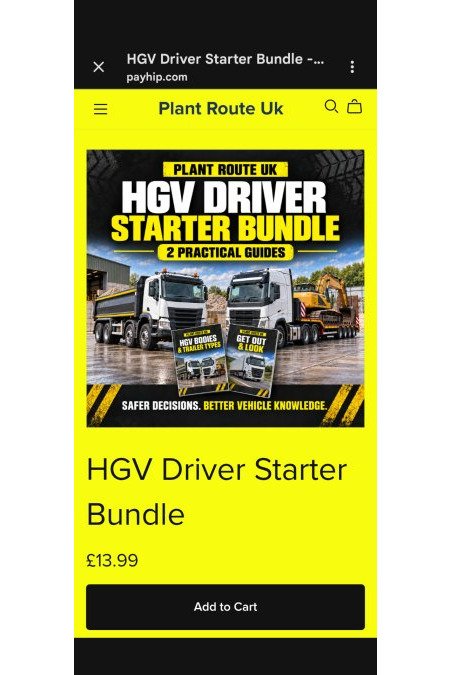
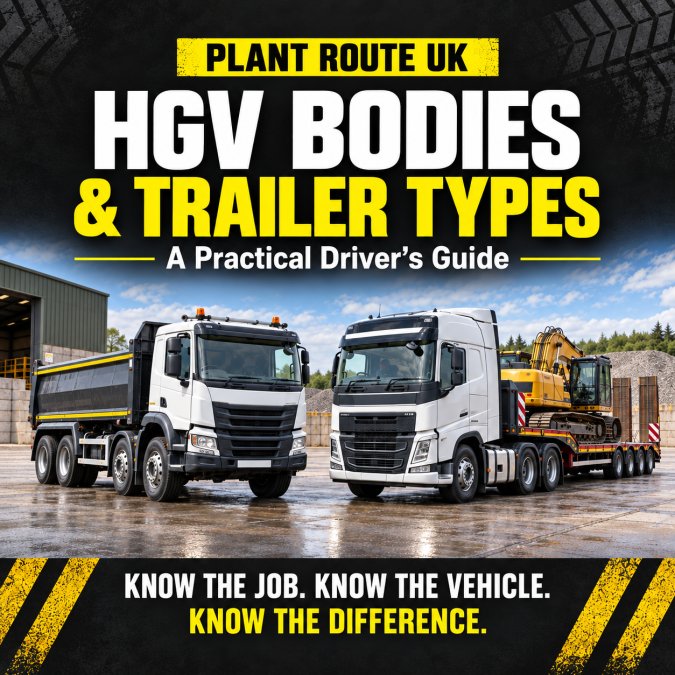
Get the Plant Industry Starter Guide →
Step 4: Pass your HGV practical test. The DVLA test lasts around 90 minutes and includes an eyesight check, vehicle safety questions, reversing exercises, and 40-50 minutes of driving in varied traffic conditions.
Category C vs Category C+E: Which Licence Do You Need?
This choice matters because it affects your job prospects and earning potential.
HGV Driver CPC Training Explained
The Driver CPC is mandatory, you cannot legally drive an HGV for hire or reward without it.
HGV Driver Salary Expectations and Career Progression
Salary is often the headline reason people consider an HGV career, but the reality is more nuanced.
Finding Your First HGV Job and Building Experience
Passing your test is a milestone, not a finish line. Many newly qualified drivers struggle to find their first role because employers prefer some experience.
Common Mistakes to Avoid When Starting Your HGV Career
Underestimating the lifestyle impact. HGV driving involves time away from home, irregular hours, and waiting periods. Be honest about whether this suits your life.
Frequently Asked Questions
What are the first steps to starting an HGV career?
Start by checking your eligibility: you must be at least 18 years old and hold a full car licence. Book a medical examination with a DVLA-approved doctor to ensure you meet health standards. Then choose a training provider and enrol in an HGV training course. Most people complete theory and practical training within 3-6 weeks, followed by a DVSA driving test. Once you pass, you can apply for your HGV licence. The Plant Industry Starter Guide helps you understand what to expect before committing money.
Is HGV training worth it as a career investment?
HGV training is worth considering if you're looking for stable employment with competitive wages and job security. The logistics sector faces ongoing driver shortages, which means consistent demand for qualified drivers. However, the job involves long hours, time away from home, and physical demands. Whether it's right for you depends on your lifestyle, health, and financial goals. The real value comes from understanding these realities upfront rather than discovering drawbacks after spending money on training. That's where practical guidance on working conditions and realistic salary figures makes the difference.
What medical requirements must I meet for an HGV licence?
You must pass a medical examination conducted by a DVLA-approved doctor. The check covers vision (you need at least 6/7.5 in each eye), hearing, blood pressure, and general fitness for long-distance driving. Conditions like diabetes, epilepsy, or heart problems don't automatically disqualify you, but they require specialist assessment. You'll also need to declare any medications you're taking. The medical is valid for five years, after which you'll need renewal. Costs vary by provider, so check with your GP or a private occupational health service for current fees.
How long does HGV training typically take?
Most full-time HGV training programmes take 3-6 weeks from start to DVSA test. This includes both classroom theory and practical driving instruction. However, the total time to employment depends on how quickly you can book your medical, secure training dates, and pass your driving test on your first attempt. Some candidates take longer if they need additional practice or retake the test. Part-time options exist but extend the timeline. After passing your test, you'll also need to complete your Driver CPC training before you can legally drive professionally.
What is HGV Driver CPC training and why is it required?
The Driver CPC (Certificate of Professional Competence) is a legal requirement for all HGV drivers. It consists of 35 hours of periodic training every five years, split into four-hour blocks. The training covers topics like road safety, vehicle maintenance, regulations, and professional standards. You must complete your initial CPC before driving professionally, which typically takes 5-10 days depending on your provider. This isn't optional, without it, you cannot legally operate an HGV commercially. Many training providers bundle initial CPC with your licence training to streamline the process.
What salary can I expect as a new HGV driver?
Starting salaries for newly qualified HGV drivers typically range from £24,000 to £28,000 per year, depending on the haulage company, location, and whether you work for a small operator or large logistics firm. As you gain experience and build a good safety record, earnings increase significantly, experienced drivers often earn £30,000 to £40,000+. Overtime, weekend work, and specialist driving (hazardous materials, refrigerated goods) can boost income further. However, these figures reflect gross pay and don't account for fuel costs if you're self-employed, vehicle maintenance, or time away from home. Understanding realistic earnings helps you decide whether the career suits your financial needs.
Do I need a car licence before I can get an HGV licence?
Yes, you must hold a full car licence (Category B) before you can apply for HGV training and a Category C or C+E licence. Your car licence demonstrates that you understand road rules and have passed a driving test. You cannot skip this requirement. If you don't currently hold a car licence, you'll need to pass your car driving test first, which typically takes several months of lessons and practice. This is a one-time prerequisite; once you have your car licence, you can proceed directly to HGV training.
How much does HGV training cost and what does it include?
HGV training costs vary depending on your provider and whether you choose intensive or part-time courses. Training typically includes classroom theory, practical driving instruction, and test fees. Some providers bundle initial Driver CPC into the course; others charge separately. The total investment spans several thousand pounds when you factor in the medical examination, training fees, and test costs. Rather than guessing at figures, contact training providers directly for current pricing. The Plant Industry Starter Guide helps you understand training so you can compare value, not just price, across providers.