 ultimate-guide
Realistic Plant Operator Working Conditions: 2026 Guide
Table of Contents
- What Realistic Plant Operator Working Conditions Actually Involve
- A Plant Operator Daily Routine: From Sign-In to Shutdown
- The Physical Demands of Plant Machinery Operating
- Plant Operator Shift Patterns: Hours, Nights and Weather
- Health and Safety Rules That Shape Every Shift
- Pay, Progression and What the Job Is Really Worth
- Common Mistakes New Operators Make About Working Conditions
- Frequently Asked Questions
Last Updated: September 13, 2026
What Realistic Plant Operator Working Conditions Actually Involve
Realistic plant operator working conditions mean early starts, weather you cannot control, and long stretches in a cab where your attention never fully switches off. This guide from Plant Route UK sets out what the job actually looks like day to day, drawn from more than 30 years of hands-on experience in the industry.
Most people researching plant operator working conditions picture the machine. The reality is that the conditions around the machine shape the job far more than the machine itself. You will spend as much time on checks, waiting, and coordinating with ground crew as you will on the controls. Understanding that before you spend money on training is the difference between a career that suits you and an expensive mistake.
Below, we break down the daily routine, the physical toll, shift patterns, and the safety rules that govern every site, so you can judge whether this work fits you.
A Plant Operator Daily Routine: From Sign-In to Shutdown
The plant operator daily routine rarely matches the tidy version on a training brochure. A typical day starts with a site induction or sign-in, a briefing on the day's tasks, and a machine walkaround before the engine turns over. From there it is a cycle of operating, waiting for loads or ground crew, refuelling, and reporting faults.
Morning Checks and Machine Walkarounds
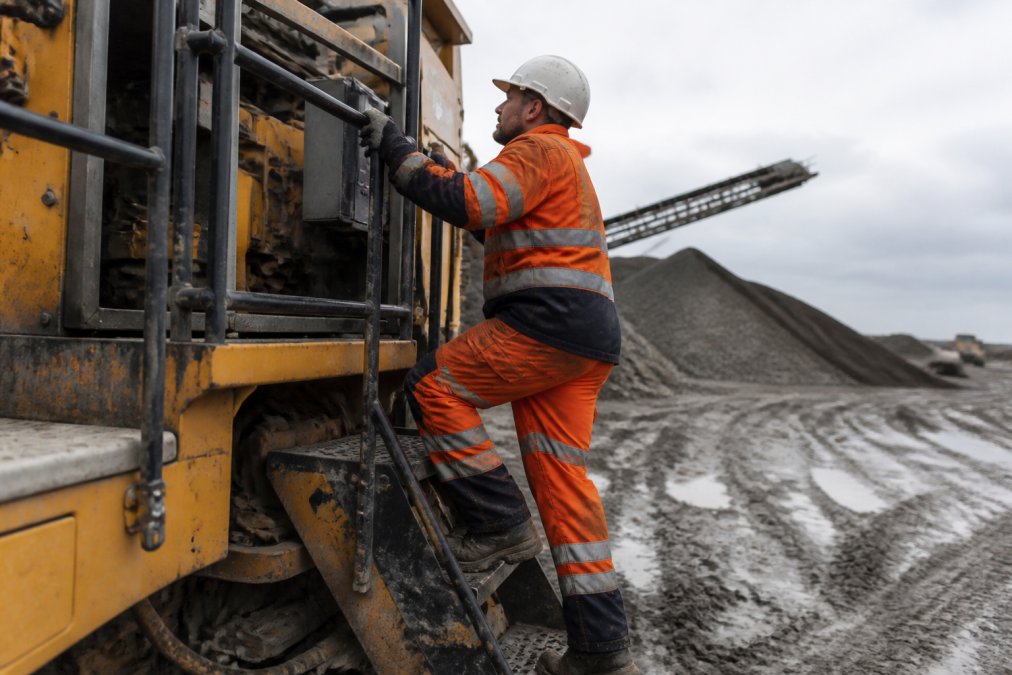
Morning checks are non-negotiable and they eat into your day. You check fluids, tracks or tyres, greasing points, warning systems, and any damage from the previous shift. A common mistake new operators make is rushing this because they feel under pressure to start digging. Skipping it is how faults get missed and how you end up with a breakdown mid-task, which costs the whole crew time.
Working Alongside Ground Crew and Banksmen
Operating is a team activity. A banksman directs your movements when visibility is restricted, and ground crew work close to a machine that can kill in seconds. The skill nobody tells you about is communication: hand signals, radio discipline, and the patience to stop when something looks wrong. Operators who treat ground crew as an inconvenience do not last long on good sites.
The Physical Demands of Plant Machinery Operating
The physical demands of plant machinery operating are more about stamina and vibration exposure than heavy lifting. You are seated for long periods, often on uneven ground, absorbing whole-body vibration through the seat and floor. Climbing in and out of a cab repeatedly, sometimes several times an hour, works your legs and back harder than most people expect.
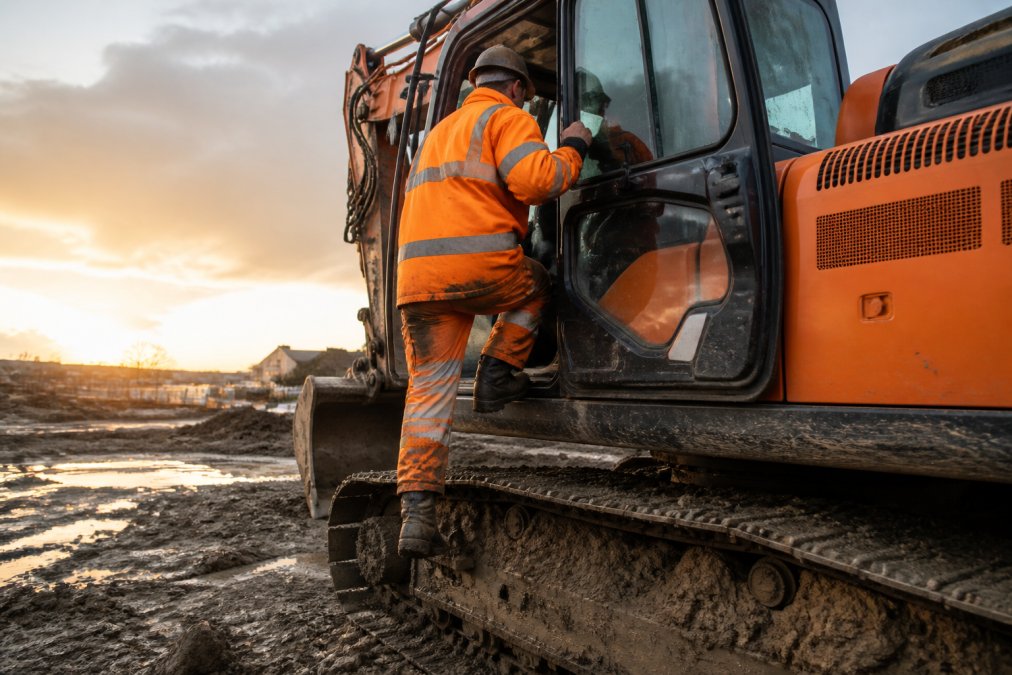
Neck and shoulder strain from constantly checking mirrors and looking over your shoulder is common. So is fatigue from concentration. Operating a machine safely for eight hours demands a level of focus that desk workers rarely experience, and it accumulates across a week.
Plant Operator Shift Patterns: Hours, Nights and Weather
Plant operator shift patterns typically run in three shapes: standard days, rotating shifts, and night work on projects that need to avoid daytime disruption. Many roles start between 6am and 7am, with a break for lunch and a finish that depends entirely on the site and the job. Some operators work away from home on larger infrastructure projects.
| Shift Pattern | Typical Shape | Main Trade-Off |
|---|---|---|
| Standard days | Early start, finish late afternoon | Predictable, but no premium pay |
| Rotating shifts | Alternating early and late blocks | Higher pay, disrupted sleep |
| Night work | Evening through early morning | Best rates, hardest on health |
Weather is the part that catches people out. Rain turns sites to mud and can stop work entirely. Cold makes steel cabs uncomfortable before the heater catches up. Heat inside a glass cab on a summer site is genuinely punishing. You do not get to opt out of any of it.
Health and Safety Rules That Shape Every Shift
Health and safety rules shape every shift because plant machinery is one of the most heavily regulated areas on any site. The Health and Safety Executive guidance on workplace transport sets out the duty to manage vehicle and pedestrian movements, and that duty lands partly on you as the operator. You are expected to hold a valid operator card for the machine class you run, and site managers check it.
The Construction Industry Training Board and card schemes like CPCS and NPORS govern which tickets are recognised on which sites. Rules on exclusion zones, reversing, and banksman use exist because people have died without them. Following them is not box-ticking; it is the reason you go home at the end of the shift.
Pay, Progression and What the Job Is Really Worth
Pay for plant operators varies widely by machine class, sector, and whether you are employed or self-employed. Rates for a tracked excavator operator on a major project differ from a telehandler operator on a small housing site. Night work and away-from-home contracts usually pay more, which is why some operators chase them and others avoid them.
Progression runs through machine classes and responsibility. Moving from a dumper or telehandler to a 360 excavator, then to a lifting or specialist ticket, opens higher rates. Some operators move into supervision, plant management, or training. The honest position is that the money is decent for skilled operators who keep their tickets current, and it stalls for those who do not.
Common Mistakes New Operators Make About Working Conditions
The biggest mistake is judging the job by the training course. A training yard is flat, dry, and quiet. A live site is none of those things. New operators who expect the two to match are the ones who quit in the first month.
Other recurring mistakes:
- Assuming you will operate all day, every day. Waiting time is a real part of the job.
- Underestimating the physical toll. Vibration, seating, and cab access add up over years.
- Ignoring the weather. Cold, rain, and heat are not occasional inconveniences; they are the working environment.
- Treating safety rules as optional when a supervisor is pushing for speed.
- Not asking about shift patterns and away-from-home expectations before accepting a role.
The challenge with plant operating is that no brochure tells you what a wet Tuesday on a live site feels like. Plant Route UK exists to close that gap. Our practical digital guides cover training routes, licence requirements, machinery types, and the realistic working conditions you will meet, all built on more than 30 years of hands-on experience in the industry. If you want to understand the job before you commit to a course, start with Plant Route UK and make your decision with the full picture in front of you.
Frequently Asked Questions
What are the typical working hours for a plant operator?
Most plant operators work a 47.5 to 55-hour week, typically starting between 7am and 8am and finishing between 5pm and 6pm. Site work often means a 30-minute unpaid lunch break and two shorter breaks. Shift patterns vary by project: some sites run day shifts only, while larger infrastructure jobs use two-shift systems or occasional night work. Weekend work is common when deadlines are tight, and overtime is usually paid at a premium rate. Travel to site can add an hour or more each way, so the working day often stretches well beyond the on-site hours.
Is working as a plant operator physically demanding?
Yes, though not in the way many people expect. You are not lifting heavy materials all day, but you are climbing in and out of cabs, walking rough ground, and sitting in a vibrating seat for hours. Whole-body vibration from tracked machines is a known risk, and the Health and Safety Executive advises limiting exposure. Neck and shoulder strain from checking mirrors and blind spots is common. The physical demands of plant machinery operating also include working in heat, cold and dust, which takes a toll over a full shift.
Do plant operators work in all weather conditions?
Most sites keep working through rain, wind and cold unless conditions become unsafe. Excavators and telehandlers have enclosed cabs with heating, so the operator is more sheltered than ground crew. But you still get wet walking to and from the machine, and visibility drops in heavy rain. Snow and ice can stop work entirely, and high winds halt crane and lifting operations. Summer heat inside a glass cab without air conditioning can push temperatures well above outside levels. Realistic plant operator working conditions mean accepting that weather is part of the job.
How do the Construction (Design and Management) Regulations 2015 affect daily site work?
The CDM Regulations 2015 place duties on contractors to plan work safely, manage risks and coordinate between trades. For an operator, this means daily briefings, exclusion zones around your machine, and a banksman when you reverse or work near people. You must follow the site's traffic management plan and hold the right CPCS or NPORS ticket for the machine you operate. If you spot unsafe conditions, you have a legal duty to report them. These rules are not paperwork for its own sake; they exist because excavators and telehandlers cause serious injuries when control measures fail.